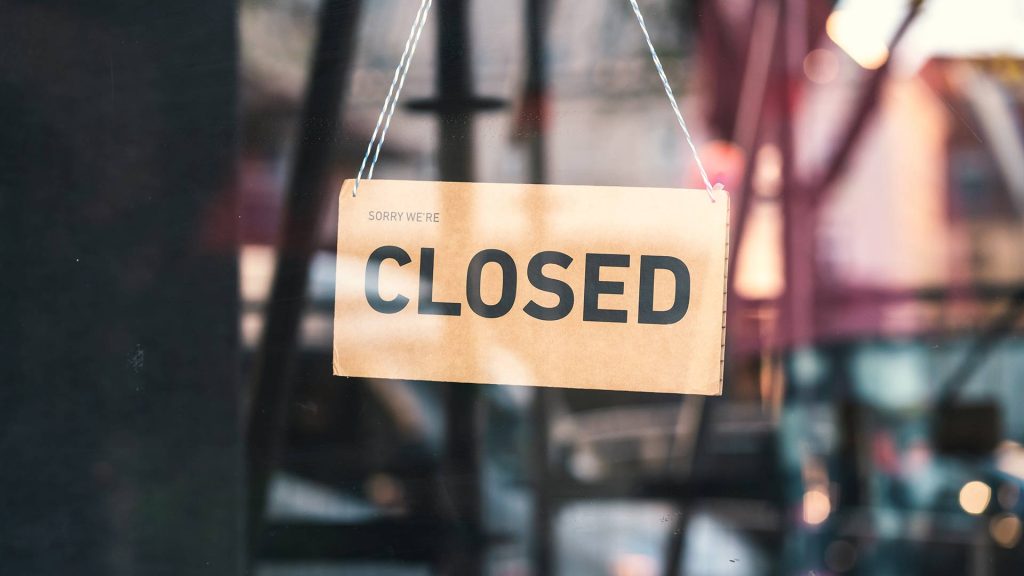
Over 12,800 retail businesses closed across the UK last year, and projections suggest that figure could rise to as many as 17,000 by 2025.
With closures continuing to increase, specialists at insolvency practitioners Liquidation Centre have highlighted some of the key errors retail owners make in the run-up to closing, and what can be done to prevent them.
Five costly mistakes retail businesses make before shutting down
1. Ignoring customer service and feedback
Delivering great customer service is at the heart of every successful retail business, so neglecting it can be one of the biggest red flags before things go wrong. Listening to customer feedback helps identify weak spots early on, and failing to do so can quickly lead to negative reviews, falling sales, and a damaged reputation.
Making sure staff are well trained and confident in handling customer queries goes a long way. Satisfied customers tend to return, and recommend you to others, so prioritising service should never slip off the radar.
2. Operating without a clear marketing plan
One of the most damaging mistakes a retail business can make is failing to plan its marketing properly. Without a defined strategy, it’s easy to lose focus, miss the target audience, and see sales suffer.
Taking time to understand who your customers are, and how they consume media, can make all the difference. Using data insights can also help shape marketing campaigns that actually reach and convert the right people.
3. Poor inventory management
Getting stock management wrong is a common cause of trouble for retail businesses. Understocking risks losing customers, while overstocking ties up cash and eats into profits.
Using an inventory management system can help track stock levels, supplier orders, and sales trends, giving better control and reducing the likelihood of costly mistakes.
4. Falling behind on market trends
Keeping an eye on what customers are currently buying, or looking for, is crucial. Retailers that fail to adapt to shifting trends risk losing business to competitors who are faster to react.
Regularly reviewing what’s happening in the market can help ensure stock remains relevant and appealing to customers, supporting more consistent sales.
5. Neglecting technology
Technology is one of the biggest enablers for retail efficiency, yet many businesses are slow to make use of it. Tools like CRM systems, POS software, and inventory platforms can save huge amounts of time and improve both customer experience and internal processes.
Adopting the right tech can make operations smoother, enhance customer satisfaction, and help a business stay competitive.
Richard Hunt, Insolvency Practitioner at Liquidation Centre, adds:
“Maintaining a successful business is never easy, so the fewer mistakes business owners make, the better. Paying attention to your customer base, their wants and needs, is absolutely crucial because the success of your business depends on them. That and other essential bits, like keeping inventory, tracking bills, and paying employees have been made easier nowadays due to new technology. Don’t be afraid to adopt new tech, as in most cases it will end up saving you time and resources. And even if you make a mistake, do your best to fix it, learn from it and aim to not repeat it.”