
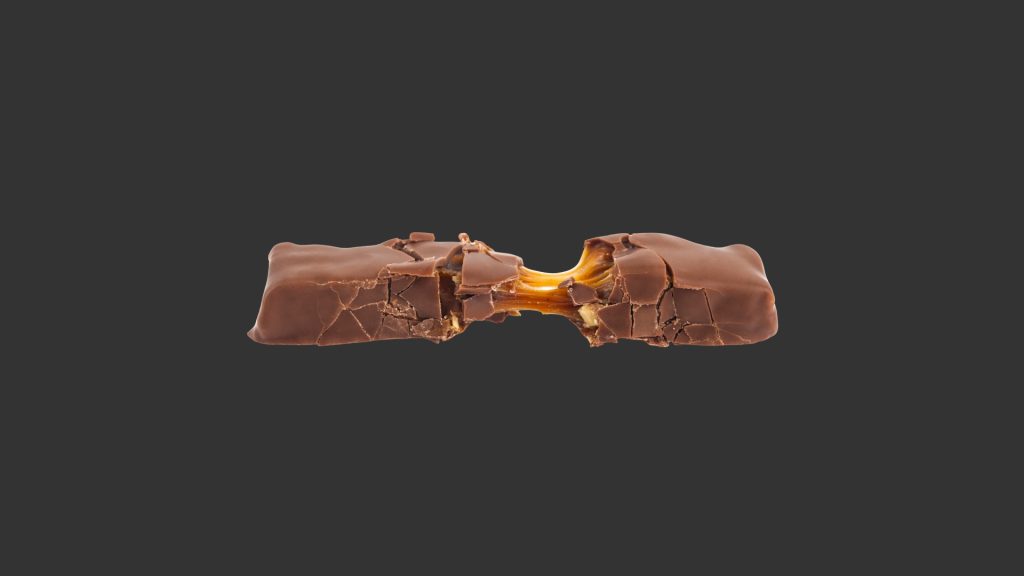
A 35 year old Mars bar has gone viral after being found to weigh 22.5g more than today’s version, revealing just how much ‘shrinkflation’ has hit Britain’s favourite chocolate bars. Searches for ’35 year old Mars bar’ have soared by 3,000% since the discovery, according to Google Trends data(1).
In light of this, we’ve collated data on popular chocolate bars and compared their weights from the 1990s to 2026, to reveal which bars have seen the biggest reductions in weight.
Key Findings:
The average weight reduction across the 10 chocolate bars analysed is 15.4% Mars lovers have lost the most chocolate, with the bar shrinking by 36% Snickers has seen a reduction of 23.2%, while Terry’s Chocolate Orange has shrunk by 17.1%
How much have popular chocolate bars shrunk since the 90s?
| Rank | Chocolate bar | 1990s weight (g) | 2026 weight (g) | Reduction in weight (%) |
|---|---|---|---|---|
| 1 | Mars | 62.5 | 40 | 36% |
| 2 | Snickers (formerly Marathon) | 62.5 | 48 | 23.20% |
| 3 | Terry’s Chocolate Orange | 175 | 145 | 17.10% |
| 4 | Lion | 49 | 42 | 14.30% |
| 5 | Twix | 58 | 50 | 13.8% |
| 6 | KitKat | 48 | 41.5 | 13.50% |
| 7 | Yorkie | 52 | 46 | 11.50% |
| 8 | Crunchie | 44.5 | 40 | 10.10% |
| 9 | Double Decker | 60 | 54.5 | 9.20% |
| 10 | Wispa | 39 | 36 | 7.70% |
Mars lovers have lost the most product, seeing a 36% reduction in weight
Mars bars have seen the biggest reduction in weight, with the bar shrinking by 36%, from 62.5g in the 1990s to 40g in 2026.
Snickers follows closely behind, with the iconic bar, formerly known as Marathon in the UK, falling from 62.5g in the 1990s to 48g in 2026, marking a 23.2% reduction in weight.
Terry’s Chocolate Orange has also seen a notable reduction, dropping by 17.1% from 175g to 145g. Lovers of the Chocolate Orange may be missing those 30 extra grams. Lion bars have reduced by 14.3%, while Twix has fallen by 13.8%, dropping from 58g in the 1990s to 50g today.
A KitKat 4 Finger bar has reduced in weight by 13.5%, from 48g in the 1990s to 41.5g in 2026, while Yorkie has become 11.5% lighter, falling from 52g to 46g.
Crunchie has dropped by 10.1%, from an average 44.5g in the 1990s to 40g today. Double Decker and Wispa have seen smaller reductions of 9.2% and 7.7% respectively.
Our findings highlight how the size of some of the UK’s most recognisable chocolate products has changed over the past three decades, with every bar we looked at showing a reduction in weight, ranging from 7.7% for Wispa to 36% for Mars.
Our Director, Richard Hunt, explains what shrinkflation tells us about the pressure businesses are under to keep products affordable for customers while also protecting their profits:
“Shrinkflation is really a sign of the difficult choices businesses are having to make. When the cost of producing and selling the product goes up, companies have to decide whether to raise the price, reduce the size, or find savings elsewhere.
“Keeping the price the same can make the product feel more affordable to shoppers, but if the pack gets smaller, customers are still paying more for less. And when it’s a product people have been buying for years, they’re bound to notice when their favourite chocolate bar suddenly feels a little smaller.
“With shoppers becoming more careful about what they spend, businesses need to strike the right balance between managing their own costs and making sure customers still feel like they’re getting good value. Nobody wants to open a chocolate bar and think ‘Wasn’t this bigger before?!’
If people start to feel like they’re getting less for their money, it can quickly damage trust.”
(1) Google Trends, August 11, 2026. Over the past day, “35 year old Mars bar” has seen an increase of +3,000% in search interest.
Research conducted by Liquidation Centre. We compared the weights of 10 popular UK chocolate bars from the 1990s with their equivalent standard products in 2026, to reveal the percentage reduction in their weight.
To do this, historical weights were sourced from archived product information, contemporary packaging, historical retail records and other available sources.
Data was collected August 2026 and is accurate as of then.