

Reviewed by
Kimberley Reid
Licensed Insolvency Practitioner
25 November 2026
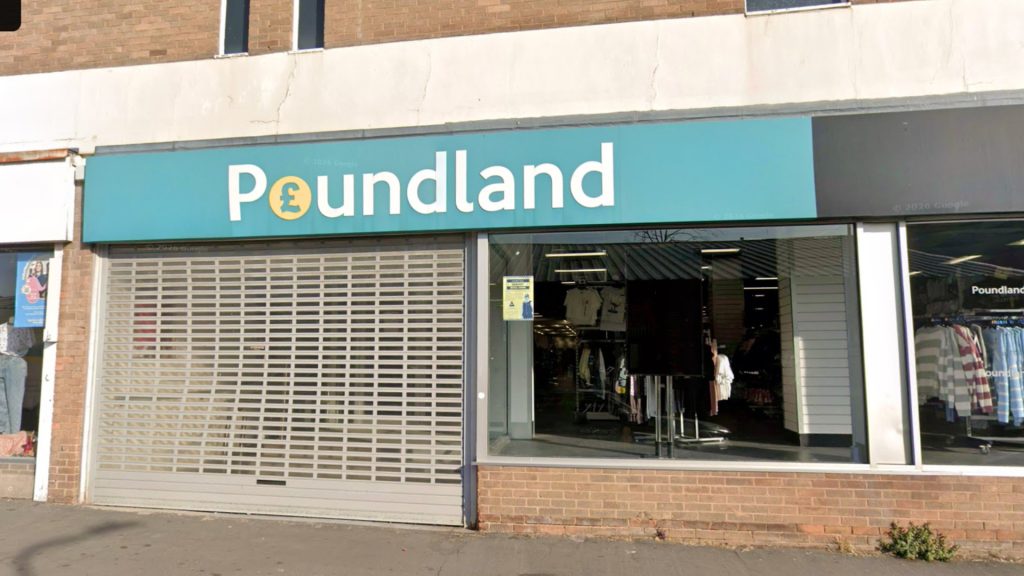
Discount retailer Poundland has collapsed into administration, putting approximately 11,000 jobs at risk after its owners failed to secure a buyer. The collapse marks another significant blow for the UK high street, following months of uncertainty and restructuring efforts, and raises fresh concerns for its employees, suppliers and the wider businesses that depend on it.
Kimberley Reid, Insolvency Practitioner at the Liquidation Centre, shares her thoughts on this latest blow to the UK high street, highlighting the mounting financial pressures facing major UK retailers and the importance of recognising when a business is no longer in a position to sustain its operations.
What does Poundland’s administration mean for the high street?
Kimberley says Poundland’s administration highlights how even well-established retailers with recognisable brands and large customer bases can fall into serious financial difficulty.

Kimberley Reid, Insolvency Practitioner at the Liquidation Centre, says:
“Poundland entering administration is another significant warning sign for the UK high street. This is a business with hundreds of stores, a well-established brand and a substantial customer base, yet it has ultimately been unable to secure a sustainable future outside of insolvency.”
“When a retailer of this size collapses, the consequences extend far beyond the business itself. Thousands of employees face uncertainty over their livelihoods, while suppliers, landlords, creditors and other businesses connected to its operations could also face significant financial losses. The impact can be felt across entire communities, particularly where Poundland stores are an important part of the local high street.”
“The situation also highlights the difference between having a recognisable brand and having a financially sustainable business. A retaler can have strong brand awareness, a loyal customer base and a significant presence on the high street, but that does not necessarily mean its underlying finances are strong enough to support its operations. UK retail is an exceptionally challenging sector. Businesses are having to contend with rising operating costs, wage pressures, increased competition and changing customer spending habits, all while operating on relatively tight margins.”
Did online shopping add pressure for Poundland?
Kimberley Reid:
“Shopping habits have changed over the years, with more people now choosing to shop online, compare prices and have products delivered directly to their homes. This puts extra pressure on high street retailers like Poundland to keep their prices competitive and give customers a reason to visit their stores.”
“Poundland stopped offering online deliveries in September 2025 and changed its website to browsing online. This shows how difficult it can be for high street shops to adapt as more customers prefer the convenience of shopping online. While maintaining online delivery can be expensive, retailers also need to consider how withdrawing from online sales could affect their ability to reach customers who increasingly expect speed and convenience.”
What other businesses can learn from Poundland
Kimberley Reid:
“Poundland’s recent history also demonstrates how difficult it can be to save a business once it starts facing serious financial problems. Following its sale by Pepco to US investment firm Gordon Brothers for a nominal £1 last year, the business underwent significant restructuring, including store closures and attempts to improve its financial position. However, these measures have ultimately not been enough to prevent administration.”
“There are important lessons here for other UK business owners and directors. Financial difficulties rarely resolve themselves on their own, and waiting until an issue becomes critical can leave businesses with far fewer options. Seeking professional advice early can help businesses understand their position and make informed decisions before things deteriorate.”
“Poundland’s collapse also shows that securing investment, restructuring operations or pursuing a sale does not automatically guarantee long-term survival. For a business to survive, it needs enough money to keep operating and a plan that will allow it to become profitable again.”
“Overall, this collapse is an important lesson for businesses across the UK, as it shows how important it is to deal with financial problems early. Other retailers can learn from Poundland’s experience by keeping a close eye on their finances and taking action before their problems become too serious.”
Concerned about your own business?
If your company is struggling with debt or cash flow, we can talk you through the options available, including Creditors’ Voluntary Liquidation and Company Voluntary Arrangements. Speak to our insolvency experts for free about your business today.