
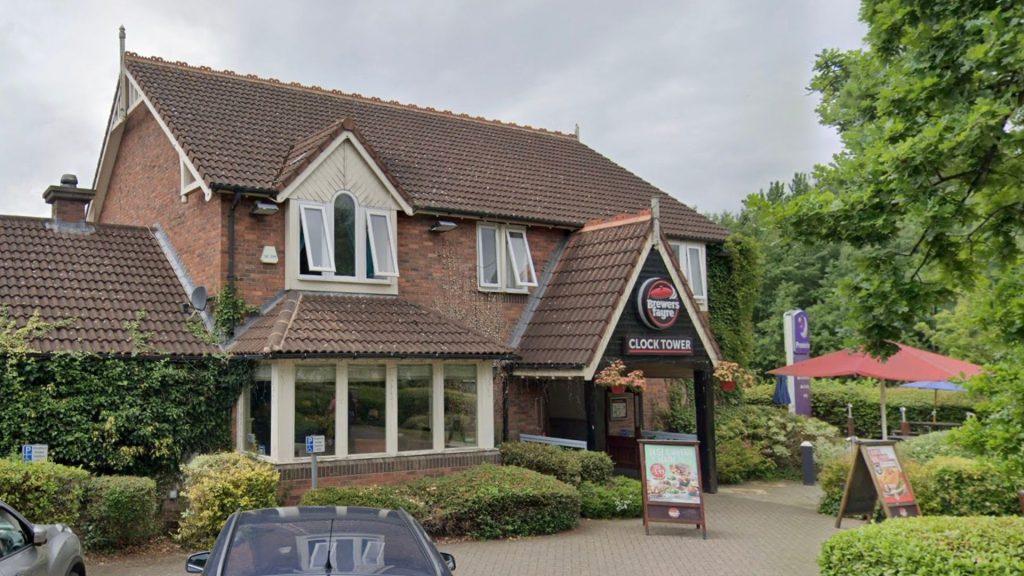
Beefeater is set to close all 106 of its restaurants on 10th September 2026, with Brewers Fayre sites closing too. The move will affect thousands of jobs across the UK and Ireland.
Owned by Whitbread, which also owns Premier Inn, the company first announced that both restaurant brands would close back in April. The move comes as Whitbread is undergoing a major overhaul, cutting thousands of jobs in the UK and Ireland to make £250 million in cost savings in the next five years.
With searches for ‘Beefeater UK restaurant shutdown’ surging by 5,000% according to Google Trends following the announcement, the closures highlight the continued pressures facing the UK’s hospitality sector as businesses contend with rising costs and changing consumer demand.
In light of Beefeater’s announced restaurant closures, the experts at Liquidation Centre have commented on the growing financial pressures facing the UK’s hospitality sector.
Why hospitality is under pressure
The cost of running a restaurant has climbed on almost every front. Food and energy prices have risen, employment costs are higher, and inflation has added to the burden. When operating costs outpace revenue, less profitable sites become very hard to sustain.
Demand has shifted at the same time. Many people are eating out less often because of the cost of living, and those who do go out expect more for their money. Value, quality and the overall experience now carry more weight in where customers choose to spend.
For chains with large estates of physical sites, that combination is difficult. Locations that are already underperforming come under the most strain, and the maths on keeping them open gets harder each year.
Richard Hunt, Insolvency Practitioner’s Comments on Wider Hospitality Challenges
Richard Hunt, Director at Liquidation Centre, sees the Beefeater decision as a sign of the wider challenges facing casual dining rather than an isolated problem.
Richard Hunt, Director at Liquidation Centre, sees the Beefeater decision as a sign of the wider challenges facing casual dining rather than an isolated problem:
“Whitbread is ultimately making this move in an attempt to save £250 million in costs over the next five years, which demonstrates a proactive effort to protect the long-term health of the business. While reducing costs can significantly improve resilience during challenging trading conditions, it is not a cure-all. Businesses cannot simply cut their way to sustainable growth, they must also continue to attract customers, remain competitive and adapt to changing market trends. If these wider challenges persist, further restructuring may still be required by the company in the future.
“Closing underperforming sites can improve the financial health of a business, but it only creates long-term value if the remaining estate is stronger, more profitable and better aligned with what customers want.
“The hospitality sector is facing mounting pressure as rising operating costs, changing consumer habits and tighter household budgets continue to squeeze profitability. For established restaurant chains, maintaining large estates of physical locations has become increasingly challenging, particularly where sites are underperforming. In today’s market, businesses need to continually assess customer demand, monitor competitors and adapt their offering to remain commercially viable.
“The announced closures at Beefeater reflect the wider challenges facing the casual dining industry rather than an isolated issue. Many consumers are eating out less frequently due to the cost of living, while those who do are placing greater emphasis on value, quality and the overall dining experience. Businesses that fail to evolve alongside these changing expectations risk seeing footfall decline over time and become less profitable.
“The wider economic backdrop has also played a significant role. Rising food and energy costs, higher employment expenses and ongoing inflation have all increased the financial burden on hospitality operators. Even well-known brands are not immune when operating costs continue to outpace revenue growth, making it difficult to sustain less profitable locations.
“For businesses under financial pressure, the first priority should be carrying out a thorough review of income, expenditure and site performance. Identifying underperforming areas early, renegotiating contracts where possible and improving operational efficiency can help relieve financial strain. If cash flow issues become more severe, seeking advice from a licensed insolvency practitioner at an early stage can help businesses understand their options and, in some cases, avoid formal insolvency proceedings altogether.
“Closures of this scale inevitably have an impact on employees, local communities and loyal customers. They also serve as a reminder that even long-established household names cannot afford to stand still. Continually adapting to changing economic conditions and consumer behaviour is essential to remaining competitive in today’s hospitality market.”
What businesses under pressure can do
If your business is struggling, the earlier you act the more options you tend to have. A few practical steps you can do to help make include:
- Review your income, expenditure and the performance of each site or part of the business, so you can see clearly where money is being lost.
- Renegotiate contracts and supplier terms where there is room to do so.
- Look for ways to improve day to day efficiency and reduce waste.
- Keep a close eye on customer demand and what competitors are doing, and adjust your offer where it makes sense.
Taking these steps early can help to ease financial pressure and, in many cases, keep a business trading.
Getting advice at the right time
Closures on this scale are a reminder that no brand can afford to stand still. Continually adapting to changing conditions and customer behaviour is part of staying competitive.
If cash flow is becoming a serious problem, speaking to a licensed insolvency practitioner early gives you the widest range of options. At Liquidation Centre we help directors understand where they stand and what the realistic choices are, with no pressure and no jargon. Get in touch for a confidential conversation.